
International Federation
recognized by the


Official Towboats Sponsors


UPCOMING EVENT

Barefoot Skiing

Cable Ski

Cable Wakeboard

Disabled Skiing

Kneeboard

Show Ski

Ski Racing

Wakeboard

Wakesurf

Waterskiing

University
IWWF
Barefoot Skiing
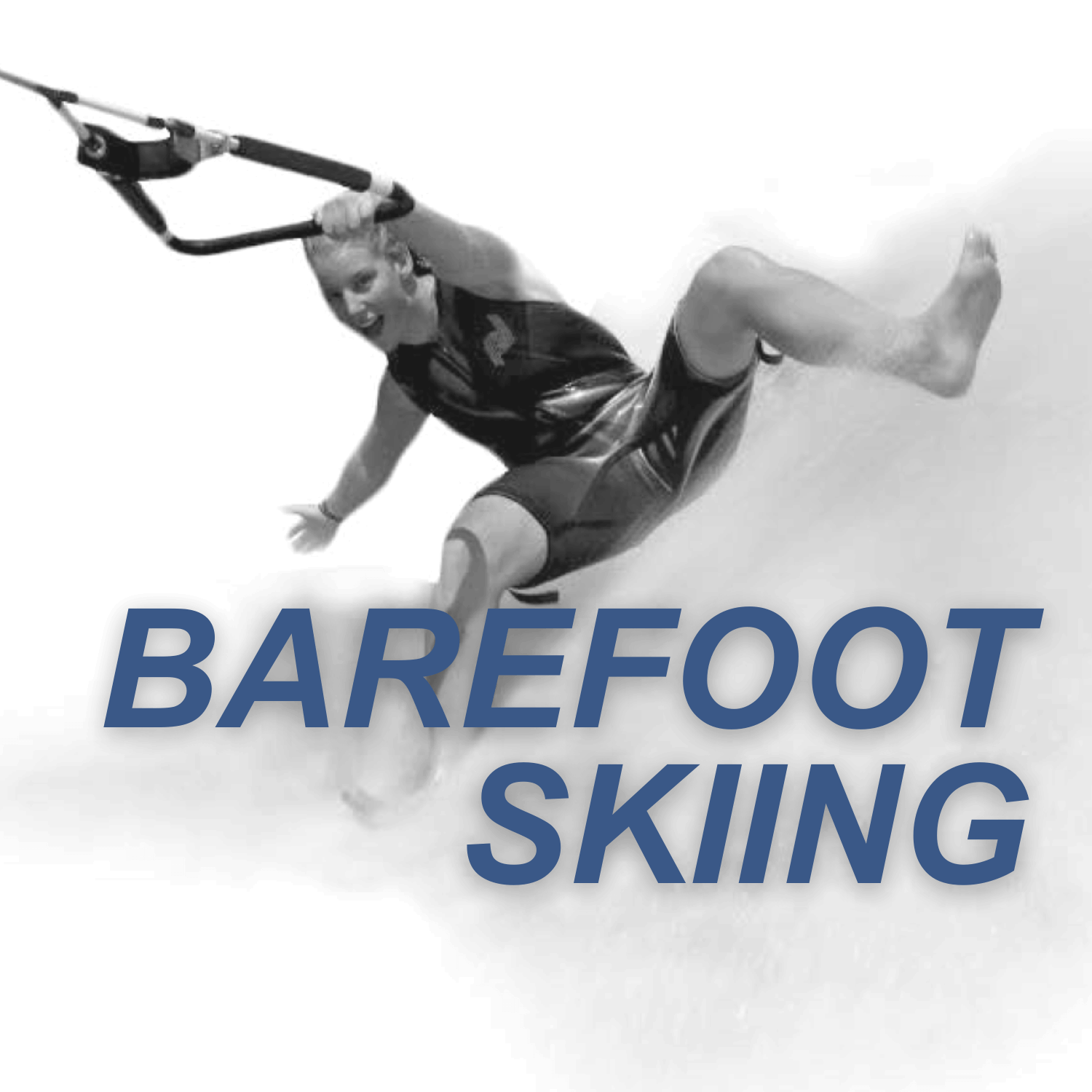
Although barefoot slalom, trick and jumping are very similar to traditional waterski events, the major difference is participants do not wear skis. In the slalom event, an athlete earns points for crossing the boat wakes as many times as possible. In tricks, an athlete attempts to perform as many tricks as he can during two 15-second passes. Each trick has a pre-assigned point value and an athlete may perform each trick only once. The athlete who earns the most points wins the event. In the jumping event, the ramp height is only 45.5 centimetres, but the boat speed is more than 60 kph, which is feet-burning fast! The athlete with the longest jump wins.
IWWF
Cable Ski

Cable skiing is waterskiing using an overhead cable, erected around the shoreline of a lake, to pull the athletes in an anti-clockwise direction. The speed that the cable travels is the same as competition waterskiing using a boat with a maximum speed of 58 kph.
There are three cable ski events: slalom, trick and jump. Our target is to share a various type of information considering Cableski (3-event : Slalom, Tricks and Jumping) .
IWWF
Cable Wakeboard
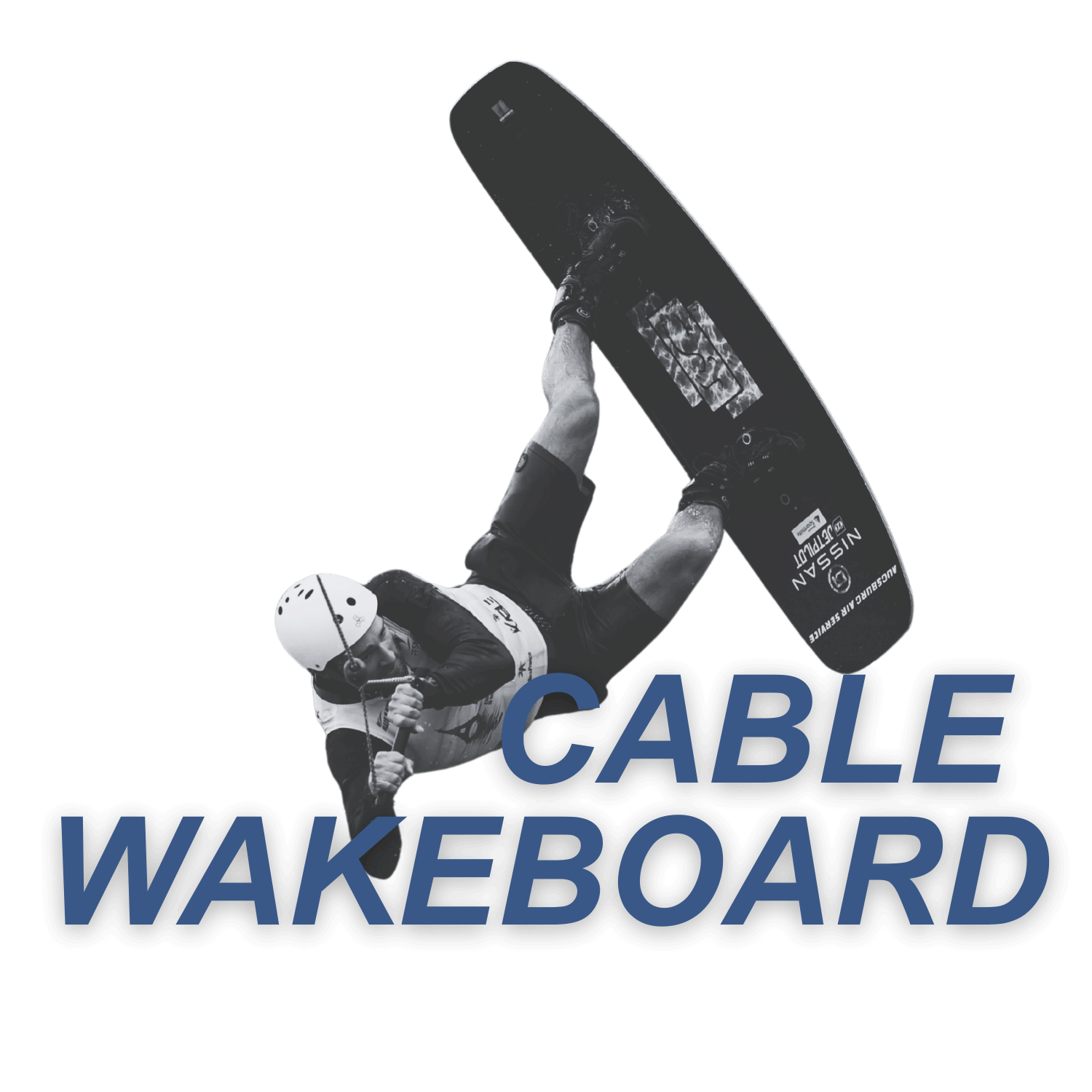
Riders are pulled by an overhead cable, very similar to a snow ski lift, but erected around the banks of a lake. Riders are also judged subjectively and can perform many of the same tricks and grabs, but have the added bonus of park features. Much like a skate park or snow park, features are structures built along the cable path that give riders other tools to expand the creativity of their runs. These features are virtually limitless and can be ramps to allow big air tricks, rails and boxes for grinding, transfer boxes, “A” frames, and even quarter pipes to wall ride. Along with features, air tricks such as flips are also performed.
IWWF
Disabled Skiing
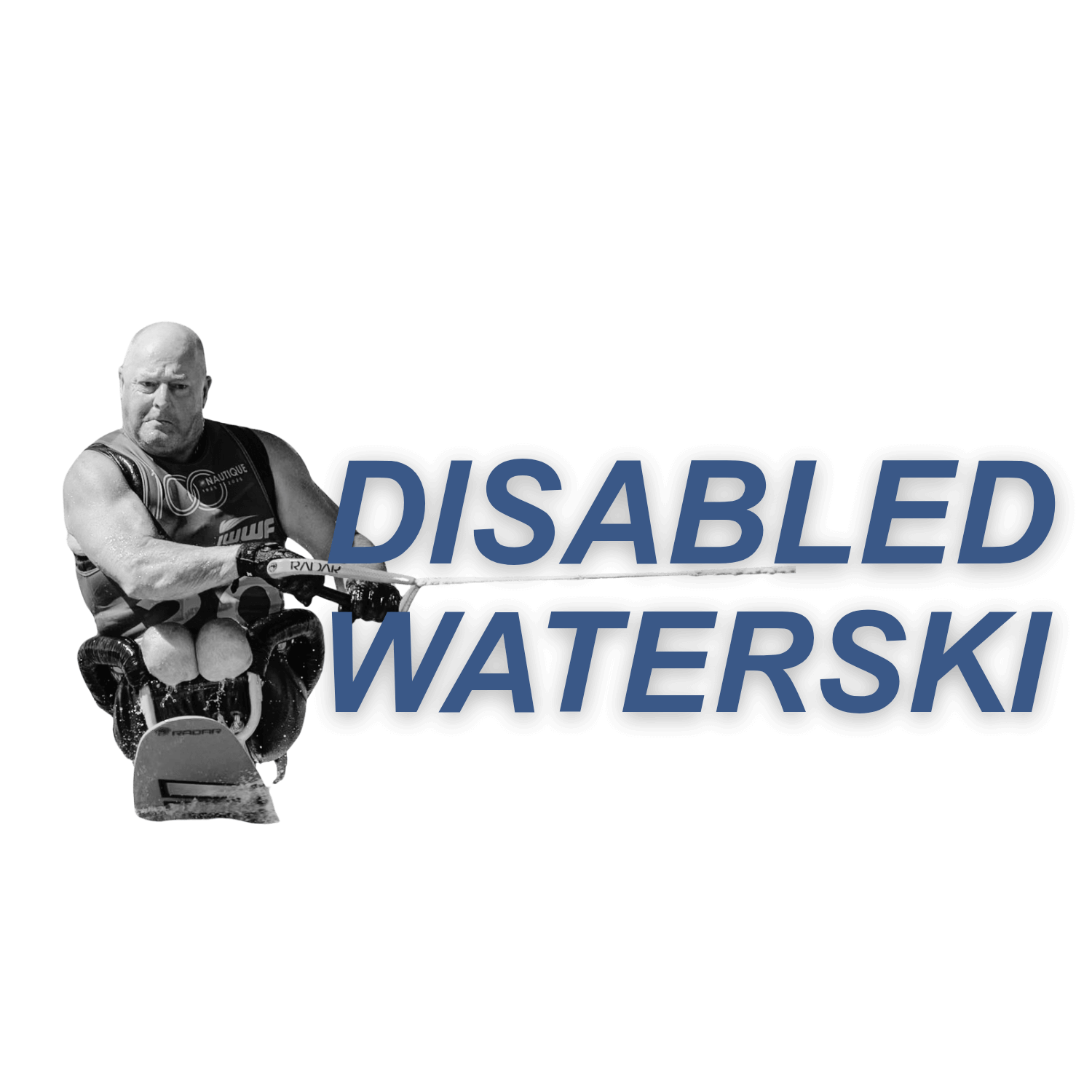
Waterskiing has been adapted so that physically disabled athletes can also participate and compete. Competitions offer slalom, trick and jumping events for vision impaired individuals (blind or partially sighted), multiplegics (paraplegics and quadriplegics), leg amputees (above and below the knee), arm amputees and athletes with both arm and leg disabilities using either regular or specially designed equipment.
IWWF
Kneeboard
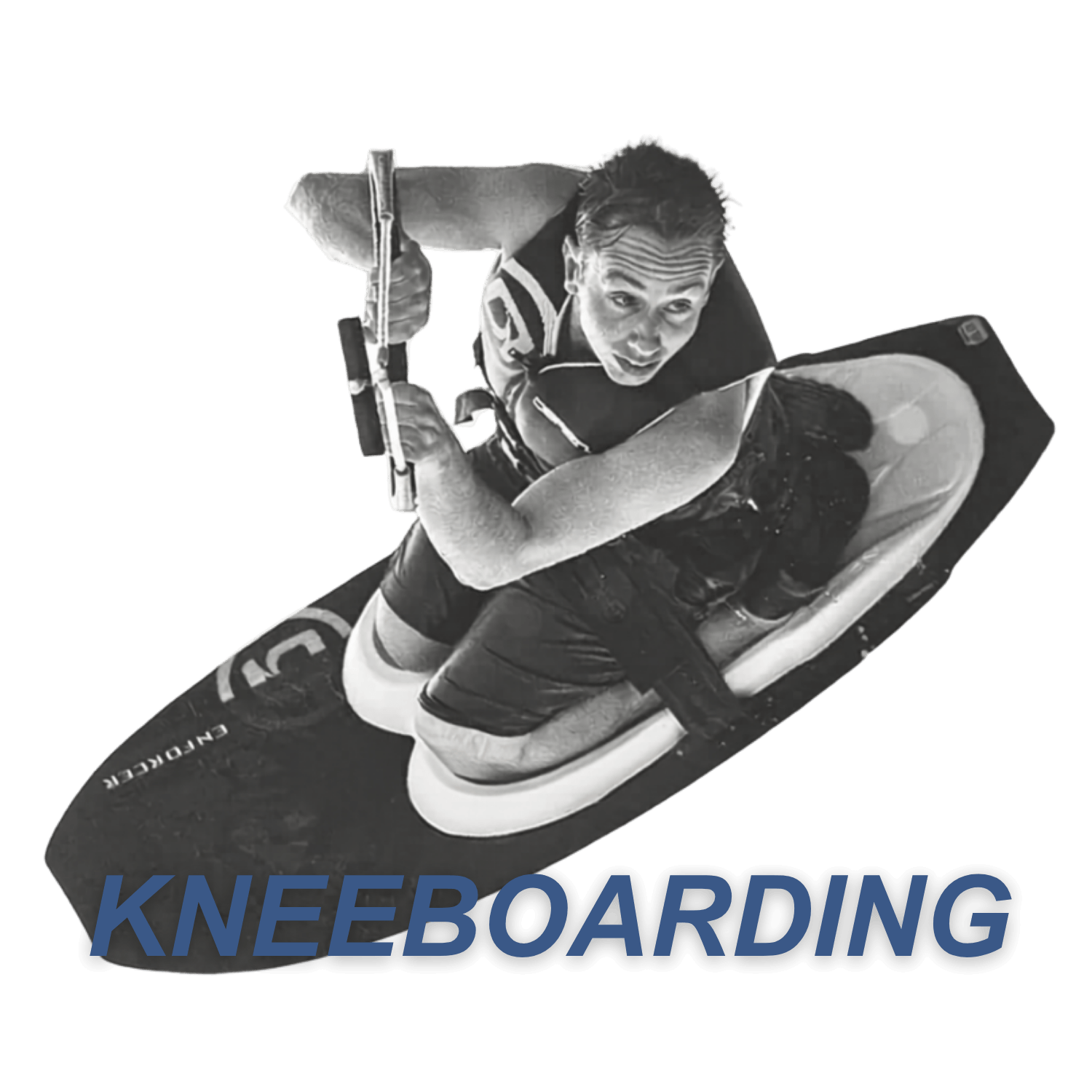
A popular alternative to three-event water skiing and wakeboarding is kneeboarding. Kneeboard athletes, riding on a board on their knees, compete in slalom, tricks and expression session events. In slalom, the six buoys are positioned the same as a traditional course. Tricks are performed in two 20-second passes and awarded technical and subjective points. A kneeboard expression session is similar to a wakeboard event, each pass is scored subjectively for style points.
IWWF
Show Ski
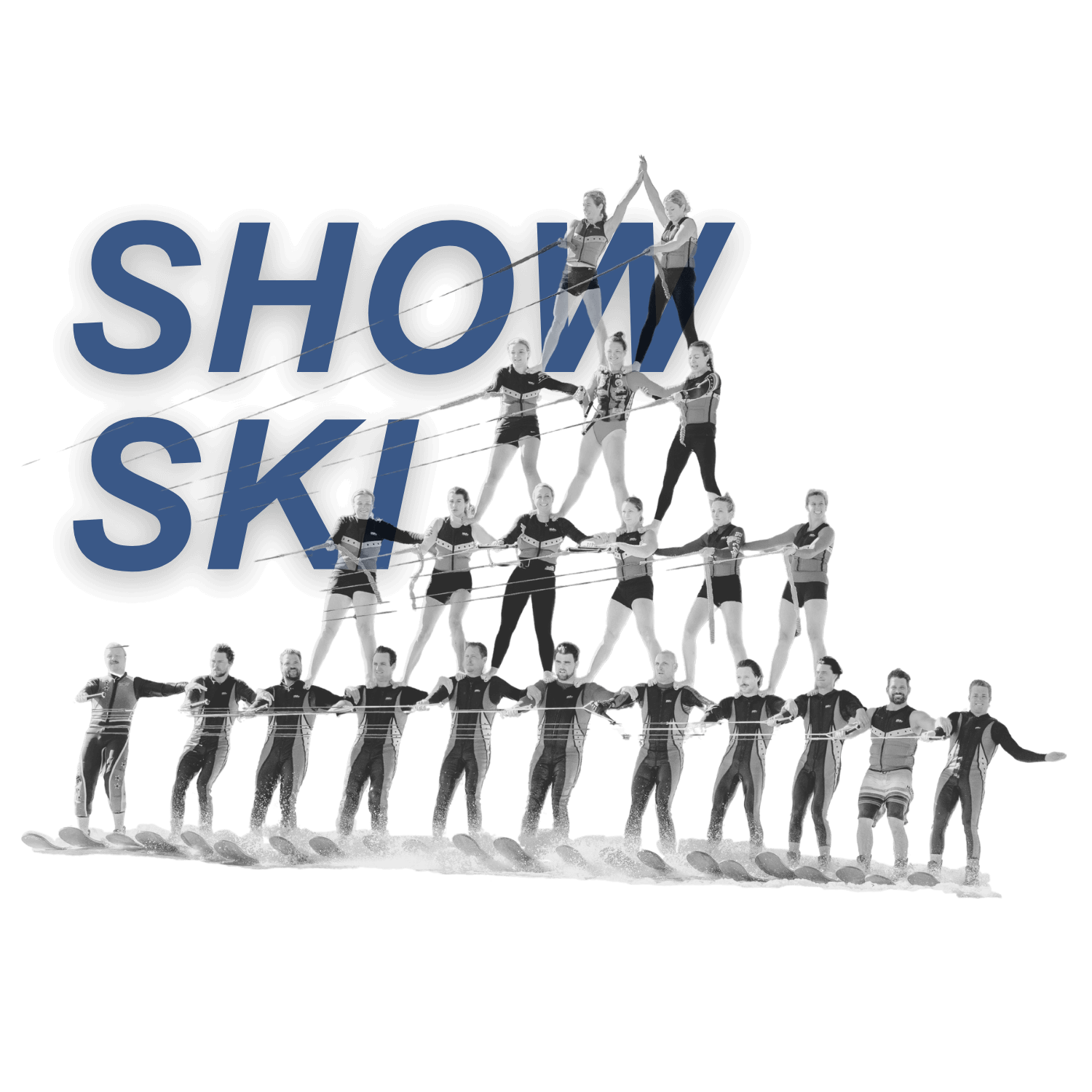
Show skiing combines components of all waterski disciplines. Waterski shows are an aquatic Broadway musicals, featuring several waterski acts choreographed to music and built around a theme that tells a story. Unique to show skiing are ballet/swivel skiing, adagio doubles, freestyle jumping and human pyramids.

IWWF
Ski Racing

Waterski racing uniquely combines motorsport with athletic ability into a team of three. There is one person who drives the boat, one who is a communicator between the skier and driver and then there is the skier. Each member plays an invaluable role when they are competing. Teams, compete against each other at the same time to do as many laps as possible in the race time
IWWF
Wakeboard
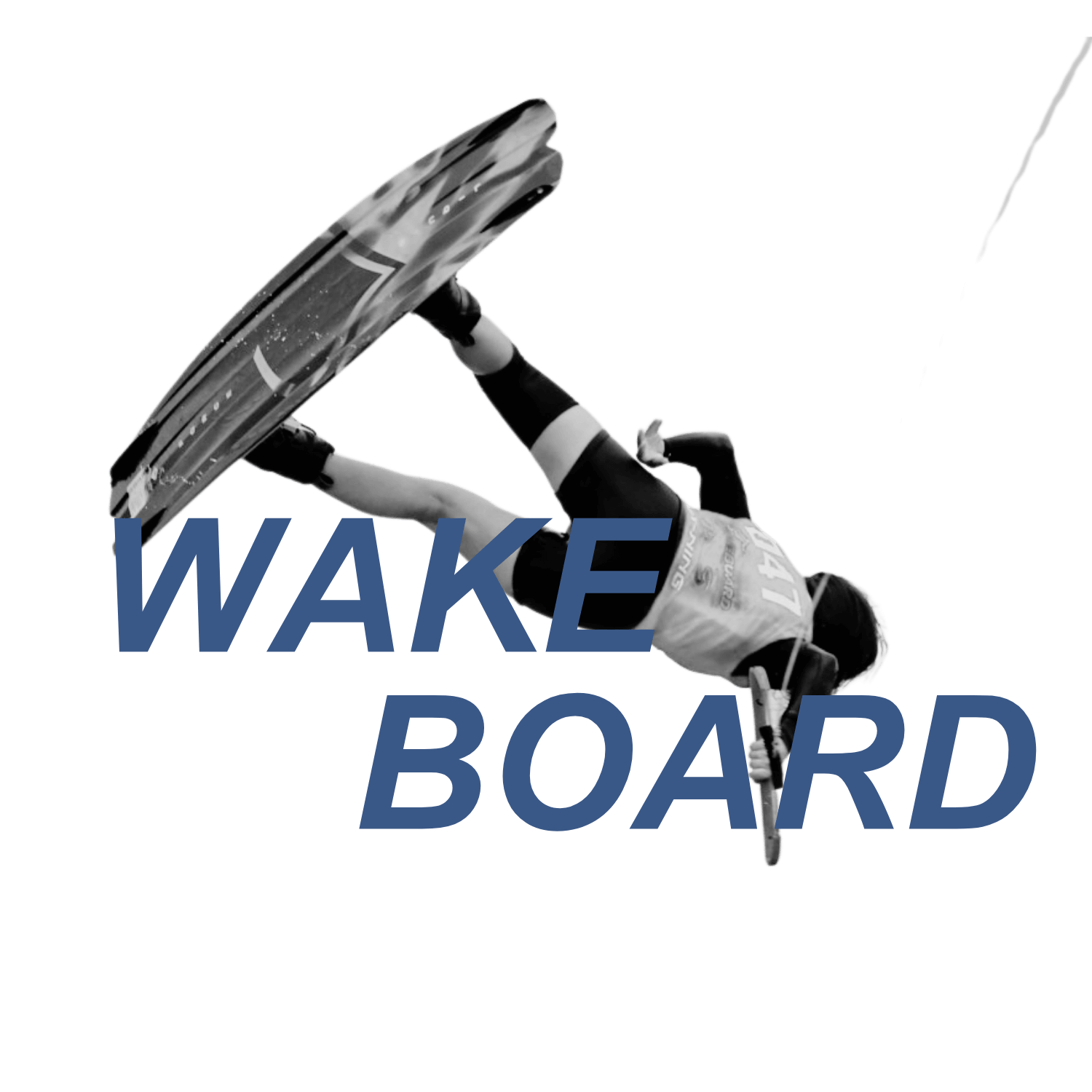
Wakeboarding is a combination of waterskiing, snowboarding and surfing. Each rider is allowed 2 passes through the wakeboard course during which time they may perform any routine they choose. They will be judged on three subjective style categories: Execution, Intensity and Composition. Riders are encouraged to perform a smooth flowing routine with a wide variety of tricks. Each maneuver should be executed as cleanly and high off the water as possible.
IWWF
Wakesurf
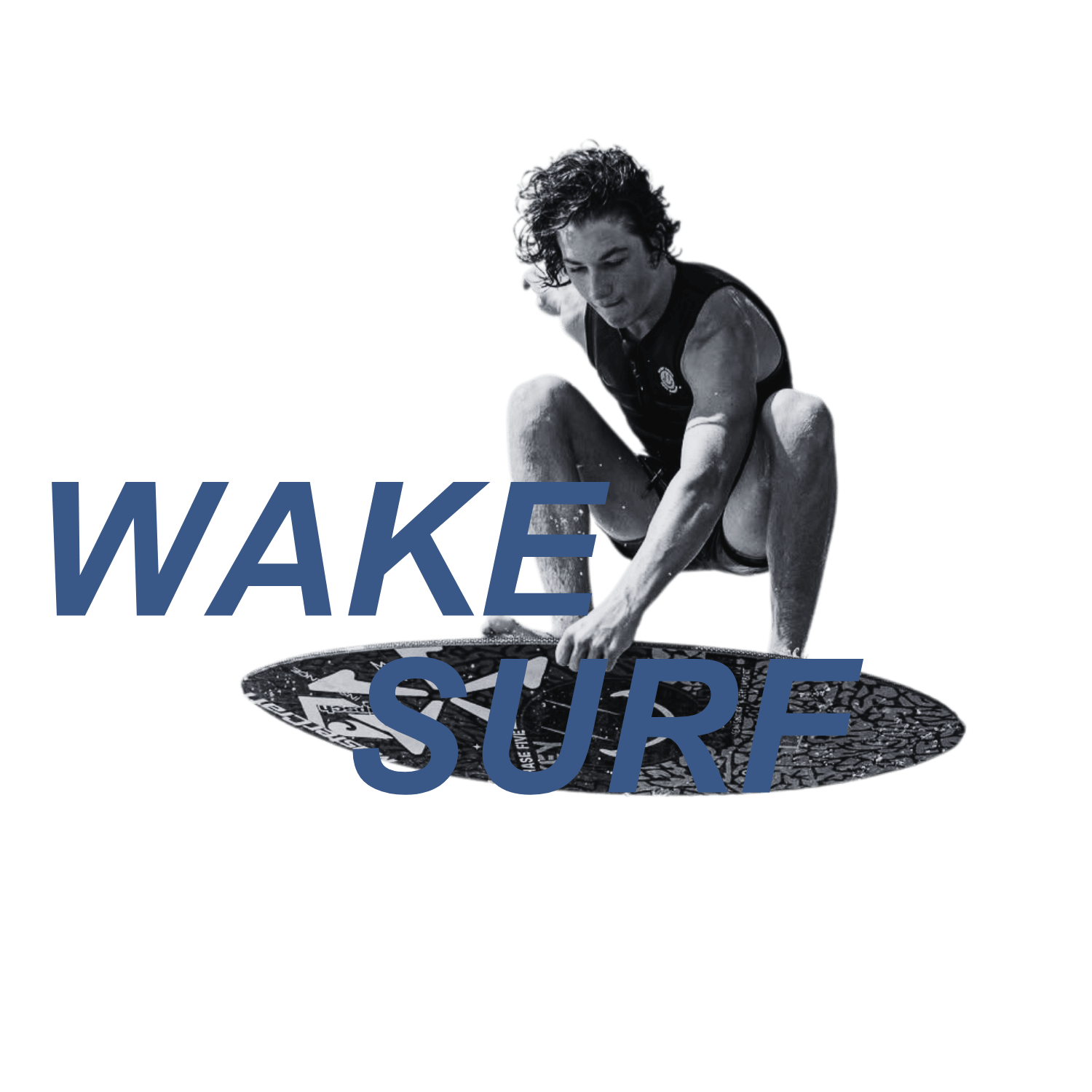
The big difference between wakesurfing and other disciplines is an athlete only uses a tow rope to get started. Once out of the water, they drop the rope and ride freely using the wake of the tow boat, much like surfing on the ocean. In competition, each rider shall be allowed two passes through the wakesurf course during which time they may perform any routine they choose. Riders will be judged on subjective style categories: Execution, Intensity, Difficulty and Variety Judging of the routine begins when the riders enter the course or drops the rope, whichever occurs later
IWWF
Waterskiing
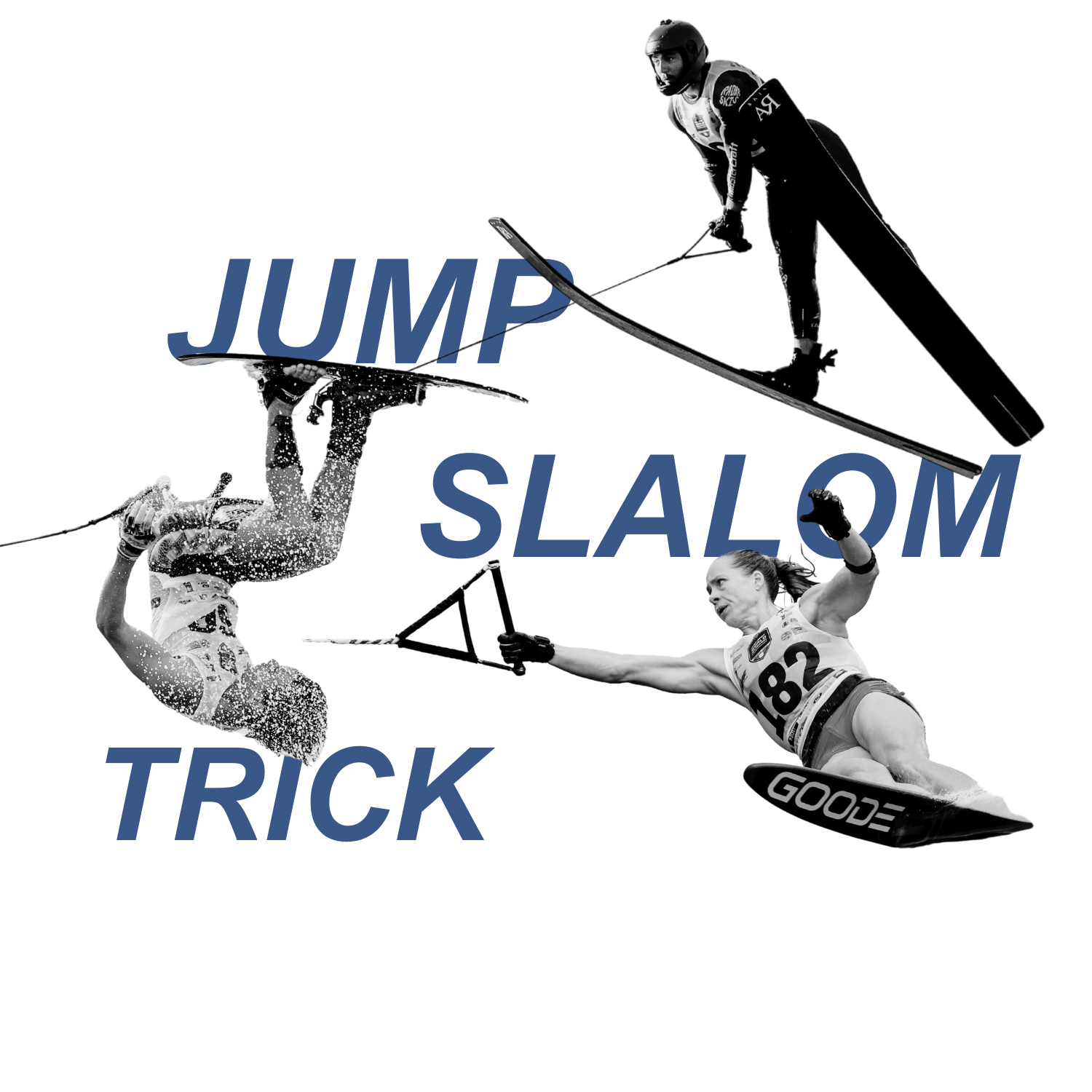
Slalom, trick and jump are the three events of traditional waterskiing. The slalom event is performed on a single ski by an athlete attempting to negotiate his/her way around the outside of six buoys in a zigzag course without falling or missing a buoy in consecutive passes. In the trick event, athletes attempt to perform as many tricks as they can during two 20-second passes. Each trick has an assigned point value and the athlete who earns the most points wins the event. The object of the jumping event is for an athlete to jump as far as he can.
IWWF
University

History of University Competitions
As in most sports, origin is somewhat of an innocuous term. Suffice it to say, Collegiate (University) Water Skiing probably got it’s start about the same time that ole Ralph Samuelson strapped on that pair of longboards, back in Minnesota.
Council Members

CURRENT NEWS
IMAGES GALLERY
Contact
Please, feel free to contact us anytime